What Is Zero Liquid Discharge (ZLD) and Why Is It Important?
As environmental regulations become increasingly stringent and water resources grow more limited, industries are under greater pressure to reduce wastewater discharge and improve sustainability. One of the most effective approaches to achieving these goals is Zero Liquid Discharge (ZLD), an advanced wastewater treatment strategy designed to eliminate liquid waste streams and maximize water recovery.
Today, ZLD systems are widely adopted in industries such as chemical processing, pharmaceuticals, petrochemicals, power generation, mining, and landfill leachate treatment. By combining multiple treatment technologies, ZLD helps companies reduce environmental impact while improving resource utilization and regulatory compliance.
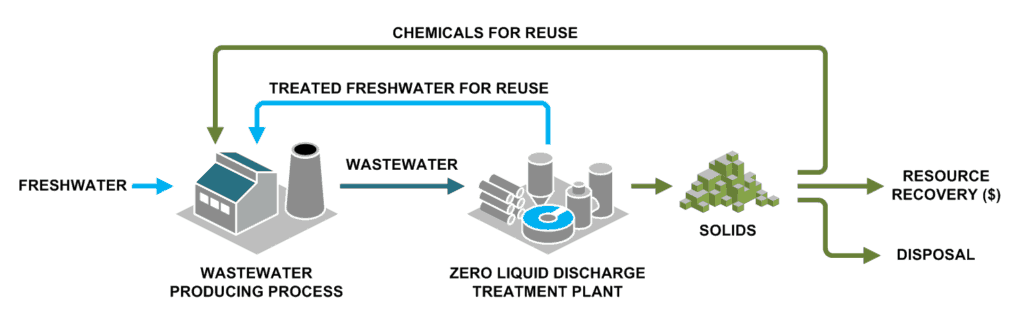
Understanding Zero Liquid Discharge
Zero Liquid Discharge (ZLD) is a wastewater treatment process that aims to recover nearly all water from industrial effluent while converting the remaining contaminants into solid waste for disposal or reuse.
Unlike conventional treatment methods that discharge treated wastewater into municipal systems or natural water bodies, ZLD systems are designed to eliminate liquid discharge entirely. The recovered water can often be reused within industrial operations, reducing freshwater consumption and supporting sustainable production practices.
The primary objective of ZLD is simple: maximize water recovery and minimize waste generation.
How Does a ZLD System Work?
A typical Zero Liquid Discharge system consists of several integrated treatment stages working together to separate water from contaminants.
The process often begins with pretreatment technologies such as ultrafiltration (UF), nanofiltration (NF), or reverse osmosis (RO). These systems remove suspended solids, organic matter, and a portion of dissolved contaminants.
The concentrated reject stream is then processed through evaporation systems, where water is separated through thermal treatment. Finally, crystallization or drying equipment converts the remaining concentrate into solid materials, leaving no liquid waste for discharge.
A simplified ZLD process may include:
Pretreatment → Membrane Separation → Evaporation → Crystallization → Solid Waste Recovery
This integrated approach enables industries to achieve extremely high water recovery rates while significantly reducing environmental liabilities.
Key Benefits of Zero Liquid Discharge
Maximum Water Recovery
One of the most significant advantages of ZLD systems is their ability to recover and reuse water. Depending on the application, water recovery rates can often exceed 90%, helping facilities reduce dependence on external water sources and lower operating costs.
As water scarcity becomes a growing concern in many regions, water reuse is increasingly viewed as both an environmental responsibility and a strategic business advantage.
Reduced Environmental Impact
Traditional wastewater discharge can create risks for surrounding ecosystems and communities. ZLD systems eliminate these concerns by preventing liquid effluent from entering the environment.
By minimizing wastewater discharge, companies can reduce pollution risks, improve environmental performance, and strengthen their sustainability initiatives.
Compliance with Strict Regulations
Many industries operate under increasingly strict wastewater discharge regulations. In some regions, authorities are encouraging or even requiring advanced treatment technologies to reduce environmental impact.
ZLD systems provide a long-term solution for meeting these requirements while offering greater flexibility for future regulatory changes.
Resource Recovery Opportunities
Industrial wastewater often contains valuable materials such as salts, chemicals, and minerals. Through evaporation and crystallization processes, these resources can sometimes be recovered and reused within production operations.
Resource recovery not only reduces waste disposal costs but also supports circular economy initiatives by transforming waste streams into valuable assets.
Ready to Start Your Project?
Get a customized industrial wastewater treatment solution from our engineering team.
Industries That Benefit from ZLD
Zero Liquid Discharge technology is particularly valuable for industries generating high-strength wastewater that is difficult to treat through conventional methods.
Common applications include:
● Landfill Leachate Treatment
● Petrochemical Industry
● Coal Chemical Industry
● Pharmaceutical Manufacturing
● Surface Treatment and Electroplating
● Power Generation Facilities
● Food and Beverage Processing
● Mining and Metallurgical Operations
Each application presents unique challenges, making customized process design essential for achieving optimal performance.
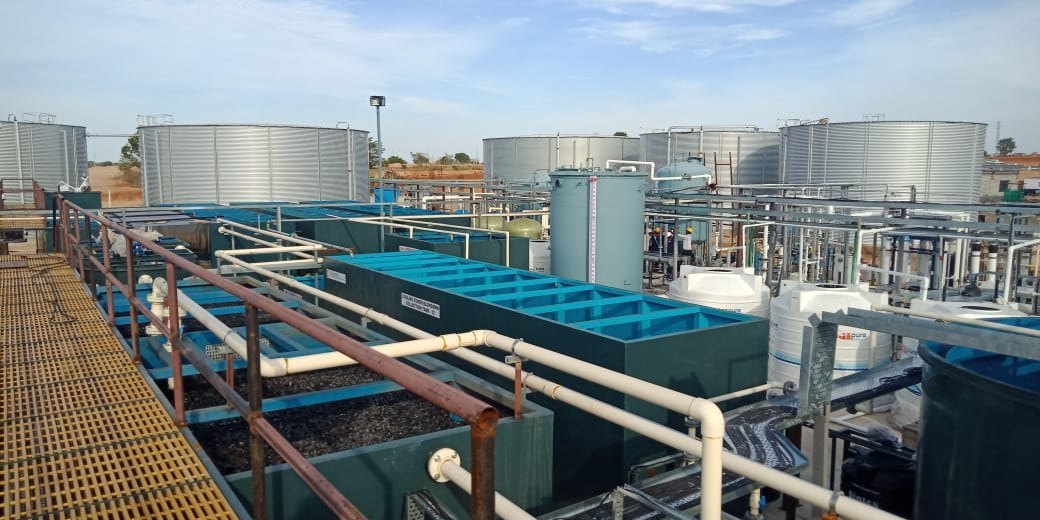
The Role of Evaporation Technology in ZLD
Evaporation systems are considered one of the core components of modern ZLD solutions. While membrane technologies can recover a large portion of reusable water, they often generate concentrated reject streams that require further treatment.
Evaporators significantly reduce wastewater volume and concentrate dissolved solids, preparing the stream for final crystallization or drying processes. Technologies such as natural circulation evaporators and forced circulation evaporators are widely used because of their reliability and efficiency in handling complex industrial wastewater.
Without evaporation technology, achieving true zero liquid discharge would be extremely difficult in many industrial applications.
Challenges and Considerations
Although ZLD offers substantial environmental and operational benefits, successful implementation requires careful planning and engineering.
Factors such as wastewater composition, salt concentration, energy consumption, operating costs, and system integration must be thoroughly evaluated during project development. Selecting the appropriate combination of membrane, evaporation, and crystallization technologies is critical to long-term success.
Working with experienced wastewater treatment specialists can help ensure that the system is properly designed for specific process requirements and performance goals.
Future Trends in Zero Liquid Discharge
As industries continue to pursue sustainability objectives, demand for ZLD technology is expected to grow significantly. Advances in membrane efficiency, heat recovery systems, automation, and energy optimization are making ZLD solutions more practical and cost-effective than ever before.
Many facilities are now integrating smart monitoring systems and advanced process controls to further improve operational efficiency and reduce maintenance requirements.
As environmental standards continue to evolve, ZLD will play an increasingly important role in helping industries achieve both compliance and sustainability targets.
Conclusion
Zero Liquid Discharge is one of the most advanced and effective wastewater treatment strategies available today. By combining membrane separation, evaporation, crystallization, and resource recovery technologies, ZLD systems can recover valuable water resources, eliminate liquid waste discharge, and support long-term environmental sustainability.
For industries facing growing wastewater treatment challenges, Zero Liquid Discharge provides a reliable pathway toward improved efficiency, reduced environmental impact, and sustainable operational performance.