
Industrial Wastewater Treatment Solutions for Chemical Industry
The chemical industry generates some of the most complex and difficult-to-treat wastewater among all industrial sectors. These effluents often contain high concentrations of salts, heavy metals, organic compounds, and toxic substances, making traditional treatment methods insufficient or too costly for long-term operation.
With increasingly strict environmental regulations worldwide, chemical manufacturers are under pressure to reduce wastewater discharge, improve recycling efficiency, and achieve sustainable production. As a result, advanced solutions such as zero liquid discharge (ZLD) systems and evaporation technologies have become essential rather than optional.
In this context, selecting the right treatment technology is not only an environmental decision, but also a long-term cost and compliance strategy.
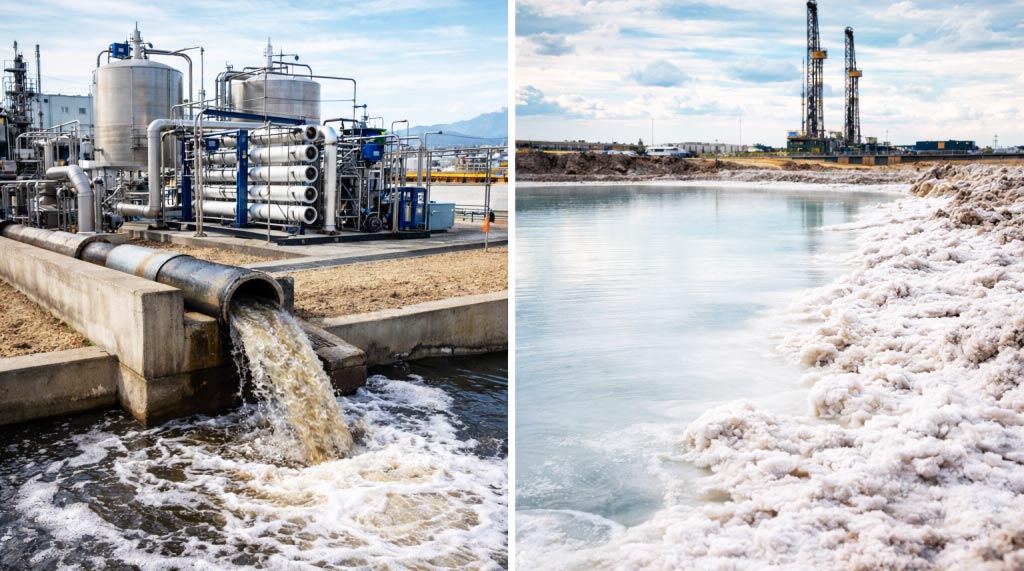
Characteristics of Chemical Industry Wastewater
Chemical wastewater is highly variable depending on production processes, but it generally shares several challenging characteristics:
It often contains high levels of dissolved salts, which makes conventional biological treatment ineffective. In addition, many streams include heavy metals, acidic or alkaline compounds, and complex organic pollutants that are difficult to degrade.
Another major issue is fluctuation in wastewater composition. Unlike municipal wastewater, chemical effluents can change significantly depending on production batches, raw materials, and reaction conditions. This instability makes treatment system design more complex and requires flexible and adaptive engineering solutions.
Because of these factors, chemical wastewater cannot typically be discharged directly and must undergo multi-stage treatment processes before reuse or safe disposal.
Key Treatment Technologies for Chemical Wastewater
Modern chemical wastewater treatment systems usually combine multiple technologies to achieve stable performance.
Evaporation Systems
Evaporation technology is widely used to concentrate wastewater and reduce its volume. By removing water content through controlled heating and vaporization, it allows easier handling of high-salinity streams and prepares the wastewater for crystallization or further treatment.
MVR Technology
Mechanical Vapor Recompression (MVR) is one of the most energy-efficient evaporation methods. It recycles vapor energy within the system, significantly reducing steam consumption and operating costs, making it highly suitable for large-scale chemical applications.
Crystallization Systems
When wastewater reaches high salinity levels, crystallization systems are used to separate solid salts from liquid streams. This enables resource recovery and helps achieve true zero liquid discharge.
Integrated ZLD Systems
In many chemical plants, a combination of evaporation, crystallization, and drying systems is used to achieve complete wastewater elimination. These integrated systems are designed based on specific wastewater characteristics and production requirements.
Why Traditional Treatment Methods Are No Longer Enough
Conventional methods such as sedimentation, filtration, or basic biological treatment are often insufficient for chemical wastewater due to its complexity.
These systems may work for initial treatment, but they cannot handle high-salinity or toxic components effectively. As a result, many companies still face high disposal costs or regulatory risks when relying solely on traditional technologies.
In contrast, modern evaporation-based systems provide a more complete solution by physically removing water and enabling solid-liquid separation, which significantly reduces environmental risks and disposal dependency.
Ready to Start Your Project?
Get a customized industrial wastewater treatment solution from our engineering team.
Customized Engineering Approach for Chemical Plants
There is no universal solution for chemical wastewater treatment. Each plant requires a customized engineering design based on:
● Wastewater composition
● Daily production capacity
● Salt concentration level
● Energy availability
● Required discharge standards
A properly designed system ensures not only compliance but also operational efficiency and long-term stability.
For example, plants with high salt concentration may require multi-effect evaporation or MVR systems combined with crystallization units, while others may focus more on pre-treatment integration and energy optimization.
Advantages of Modern ZLD Systems in Chemical Industry
Modern zero liquid discharge systems offer several key advantages for chemical manufacturers.
They significantly reduce wastewater discharge, helping companies meet strict environmental regulations. At the same time, they enable partial or full recovery of valuable salts and by-products, which can be reused or sold depending on the application.
In addition, advanced automation systems improve operational stability and reduce labor dependency. With intelligent monitoring and control systems, operators can manage complex processes more efficiently and safely.
Conclusion: Moving Toward Sustainable Chemical Manufacturing
As environmental standards continue to tighten, chemical companies must shift from basic treatment methods to advanced integrated solutions. Technologies such as MVR evaporation, crystallization, and ZLD systems are becoming the industry standard for sustainable wastewater management.
By investing in efficient and customized treatment systems, chemical manufacturers can not only ensure regulatory compliance but also improve long-term operational efficiency and reduce environmental impact.
Call to Action
If you are looking for a reliable industrial wastewater treatment solution for chemical applications, our engineering team can provide customized system design based on your specific production conditions.
👉 Contact us for technical consultation
👉 Get a tailored ZLD solution proposal
👉 Improve efficiency while reducing operating costs