High-Salinity Wastewater Treatment Solutions for Industrial Applications
High-salinity wastewater has become one of the most difficult industrial effluents to treat across multiple industries, including chemical manufacturing, pharmaceuticals, mining, and lithium battery production. As production processes become more complex, the concentration of dissolved salts in wastewater continues to increase, creating significant challenges for conventional treatment systems.
Traditional biological or chemical treatment methods are often ineffective when salt concentrations exceed certain levels. In many cases, they fail to achieve discharge standards or require extremely high operating costs. As environmental regulations become stricter worldwide, industries are forced to adopt more advanced and reliable treatment technologies.
This has led to the rapid development and adoption of evaporation-based and zero liquid discharge (ZLD) systems, which are now considered the most effective solutions for high-salinity wastewater management.
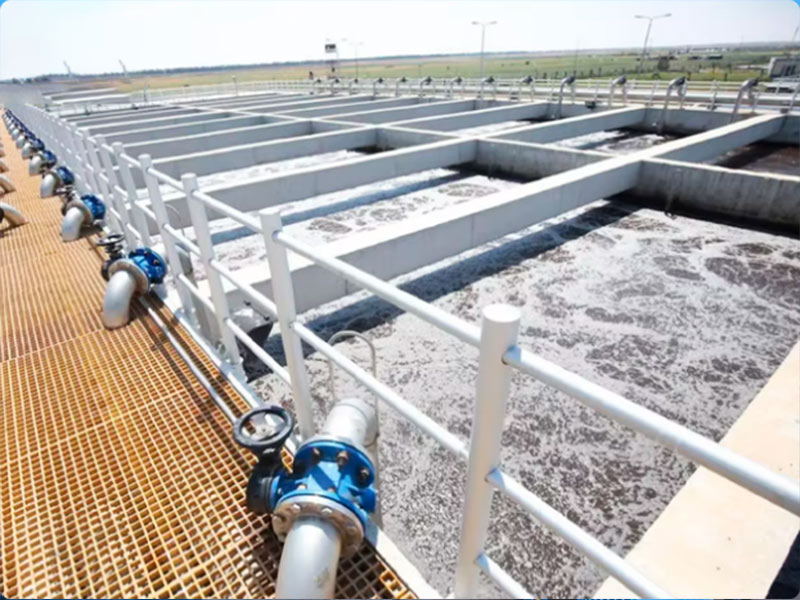
What Makes High-Salinity Wastewater Difficult to Treat?
The main challenge of high-salinity wastewater lies in its impact on biological and chemical treatment processes. High salt content can inhibit microbial activity, making biological treatment systems inefficient or completely ineffective.
In addition, the presence of multiple dissolved salts increases the risk of scaling, corrosion, and equipment blockage. This not only reduces system efficiency but also increases maintenance costs and downtime.
Another key issue is volume and disposal cost. Even when partially treated, high-salinity wastewater still requires further concentration or disposal, which can significantly increase operational expenses for industrial facilities.
Because of these challenges, industries are increasingly turning to physical separation technologies such as evaporation and crystallization.
Evaporation Technology as a Core Solution
Evaporation technology plays a central role in modern high-salinity wastewater treatment systems. By removing water content through controlled heating and phase change, it allows for effective volume reduction and salt concentration.
Unlike conventional treatment methods, evaporation does not rely on biological reactions or chemical degradation. Instead, it physically separates water from dissolved solids, making it highly suitable for complex industrial wastewater.
Among different evaporation technologies, MVR (Mechanical Vapor Recompression) and multi-effect evaporation systems are widely used due to their efficiency and stability in large-scale industrial applications.
MVR-Based Systems for Energy-Efficient Operation
MVR technology has become one of the most widely adopted solutions for high-salinity wastewater treatment due to its energy-saving characteristics.
The system works by compressing secondary vapor and reusing it as a heat source, significantly reducing external steam consumption. This closed-loop energy recycling mechanism makes MVR systems highly efficient compared to traditional evaporation methods.
In addition to energy savings, MVR systems offer stable long-term operation, making them suitable for continuous industrial production environments where reliability is critical.
Crystallization and Resource Recovery
When wastewater reaches a high concentration level, crystallization systems are often used as the final treatment stage. These systems separate dissolved salts from the liquid phase, producing solid by-products that can sometimes be reused or safely disposed of.
This step is essential for achieving zero liquid discharge (ZLD), where no wastewater is released into the environment. Instead, all water is recovered or evaporated, and only solid residues remain.
Crystallization not only helps meet environmental standards but also supports resource recovery strategies in modern industrial production.
Ready to Start Your Project?
Get a customized industrial wastewater treatment solution from our engineering team.
Integrated ZLD System Design
A complete high-salinity wastewater treatment solution often requires the integration of multiple technologies, including:
● Pre-treatment systems
● Evaporation units
● MVR or multi-effect evaporators
● Crystallizers
● Drying systems
Each system is designed based on specific wastewater characteristics, such as salt composition, flow rate, and temperature conditions.
A well-designed ZLD system ensures stable operation, optimized energy consumption, and maximum water recovery efficiency.
Industrial Applications
High-salinity wastewater treatment systems are widely used in various industries, including:
● Chemical manufacturing
● Lithium battery production
● Electroplating industry
● Pharmaceutical production
● Mining and metallurgy
● Textile and dyeing industry
Each industry presents different wastewater characteristics, requiring customized engineering solutions for optimal performance.
By investing in efficient and customized treatment systems, chemical manufacturers can not only ensure regulatory compliance but also improve long-term operational efficiency and reduce environmental impact.
Key Advantages of Advanced Treatment Systems
Modern high-salinity wastewater treatment systems offer several important advantages for industrial users.
They significantly reduce environmental discharge risks and help companies comply with strict regulatory requirements. At the same time, they improve operational efficiency by reducing wastewater handling and disposal costs.
In addition, advanced automation and control systems ensure stable operation, reducing manual intervention and improving long-term reliability.
Conclusion: Moving Toward Sustainable Water Management
As global environmental standards continue to rise, industries must adopt more advanced and efficient wastewater treatment solutions. High-salinity wastewater can no longer be managed using traditional methods alone.
Evaporation-based systems, especially those integrated with MVR and crystallization technologies, provide a reliable pathway toward sustainable and compliant industrial production. These systems not only solve environmental challenges but also support long-term operational efficiency and resource recovery.
Call to Action
If you are facing challenges with high-salinity industrial wastewater, our engineering team can provide customized treatment solutions based on your specific process conditions.
👉 Contact us for technical consultation
👉 Get a tailored ZLD system proposal
👉 Improve efficiency and reduce operating costs